




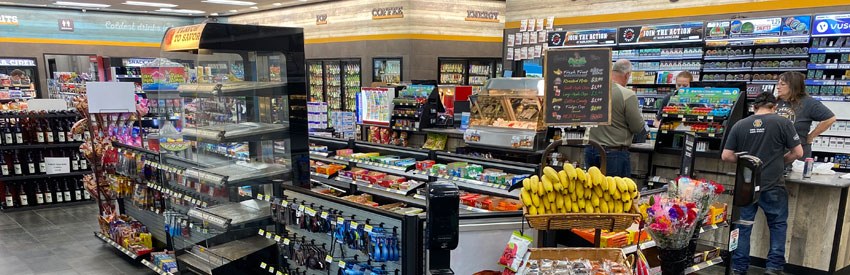
Theft at the Register: How Strategic Queue Design Protects Profits
Theft. It’s always been the bane of retail store managers, and it’s only gotten worse. According to the National Retail Federation, retailers saw a 93% increase in annual shoplifting incidents from 2019 to 2023, and a 90% jump in related dollar losses. Large corporations like CVS, Target, and Walgreens have shuttered stores due to theft concerns.
Retail shrink has escalated into “a multi-billion dollar problem” that’s pushing retailers to come up with more innovative solutions.
As a partner to some of the nation’s largest retailers and convenience store chains, Lavi is designing novel barrier solutions, consulting on queue design, and creating modular retail fixture strategies that enhance the shopping experience while also deterring theft.
Evolving theft tactics requires evolving store layouts
Retail theft has grown more complex in recent years. While opportunistic shoplifting remains a concern, many retailers are now seeing more coordinated, fast-moving incidents that take advantage of layout gaps and visibility blind spots.
Problem areas tend to be common across store formats, especially around:
- Self-service kiosks near entrances
- Unused or unmanned checkout lanes
- Low-visibility queue zones
- High-value impulse items in open displays
These challenges often stem from design vulnerabilities that make it easier for individuals to bypass checkout processes undetected.
Physical barriers: easy-to-install, effective deterrents
The good news? One of the most effective theft prevention strategies doesn’t require overhauling your store — it just requires creating intentional boundaries that change how people move through space.
Lavi’s queue management systems and modular barrier solutions guide customer flow, increase visibility, and make theft more difficult — while maintaining a smooth, welcoming experience for shoppers.
Here’s how retailers are putting them to work:
Retractable belt barriers
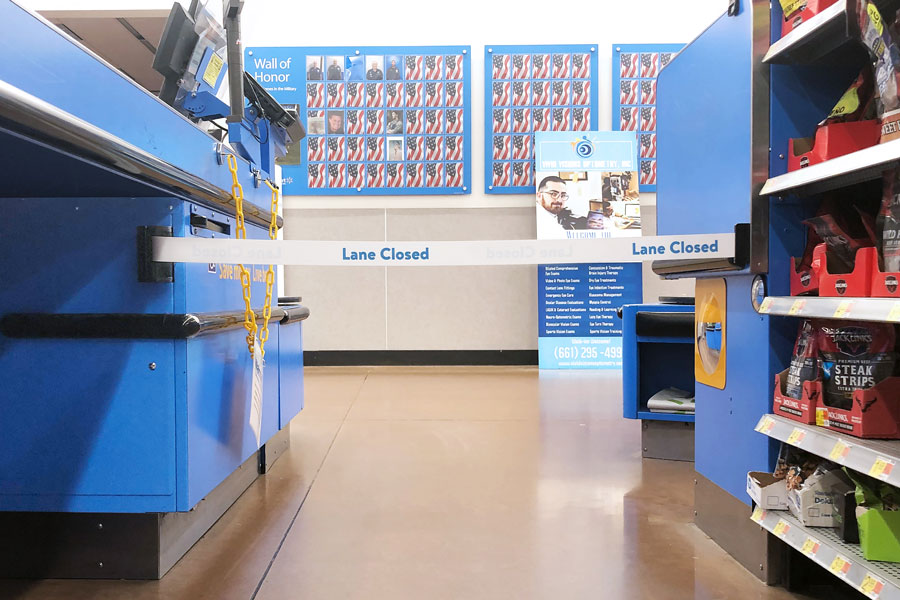
Used to close off unused checkout lanes, retractable belts are cost-effective, flexible, and easy to install. Belt barriers are low-profile when not in use but highly effective at signaling a lane closure. Some retailers extend retractable belts up to 15 feet between two stanchions, while others opt for magnetic wall mounts for added flexibility over traditional railing gates.
Partition walls and gates
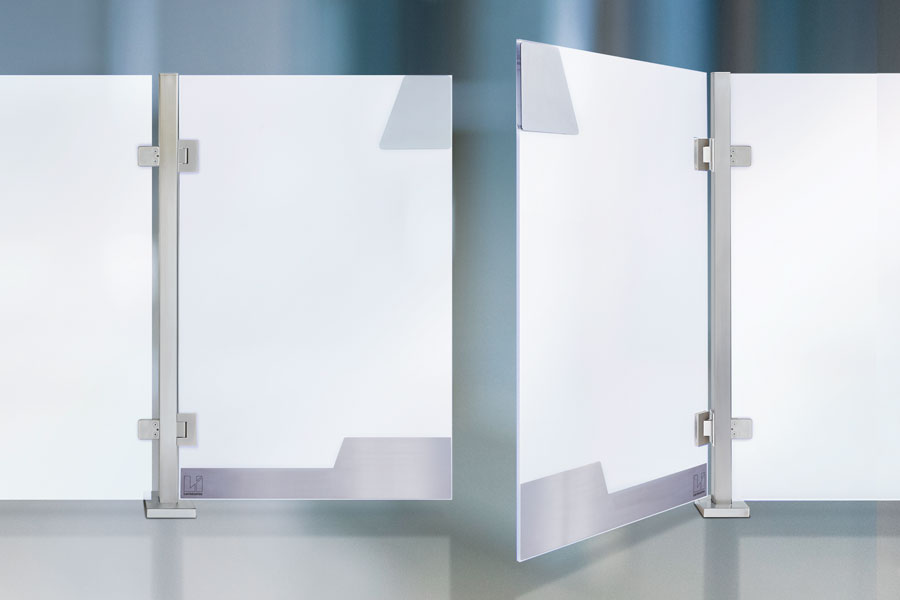
For an elevated aesthetic, post and panel barriers — available in clear, smoked, frosted, or opaque acrylic — restrict access to cash wrap areas with a durable, clean design fit for retail. And with Lavi’s custom-printed signage, the panels can double as valuable branding, promotion, or communication space.
Modular queuing panels with low height
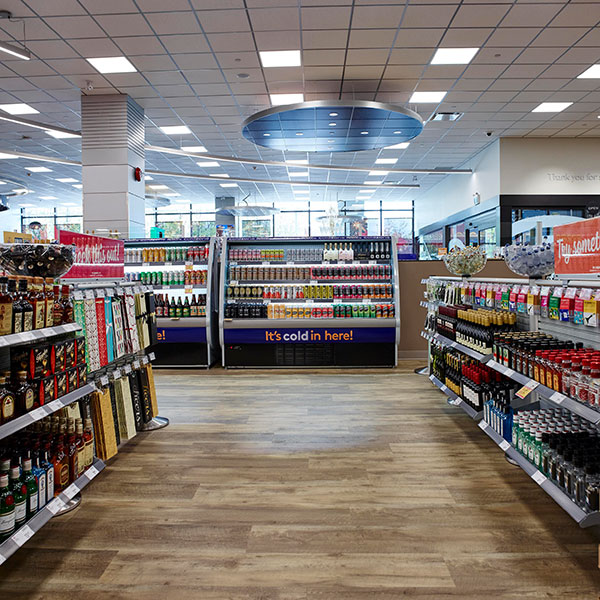
Lavi’s NeXtrac retail store fixtures can be rotated, repositioned, or reconfigured to give cashiers a clear line of sight to every part of the queue. NeXtrac’s double-sided slatwall panels provide flexibility to have merchandise on the register-facing side and branding or low-risk items on the other. With a number of slatwall accessories to choose from, impulse items are within reach and is store management view.
Smart layouts: adjustments that reduce risk
With decades of experience in retail across all kinds of categories, Lavi’s consulting team guides retailers on how store layouts and queue configurations may inadvertently contribute to theft — and how small adjustments can close those gaps.
Some of the most effective strategies include:
Closing off unmanned cashier lanes
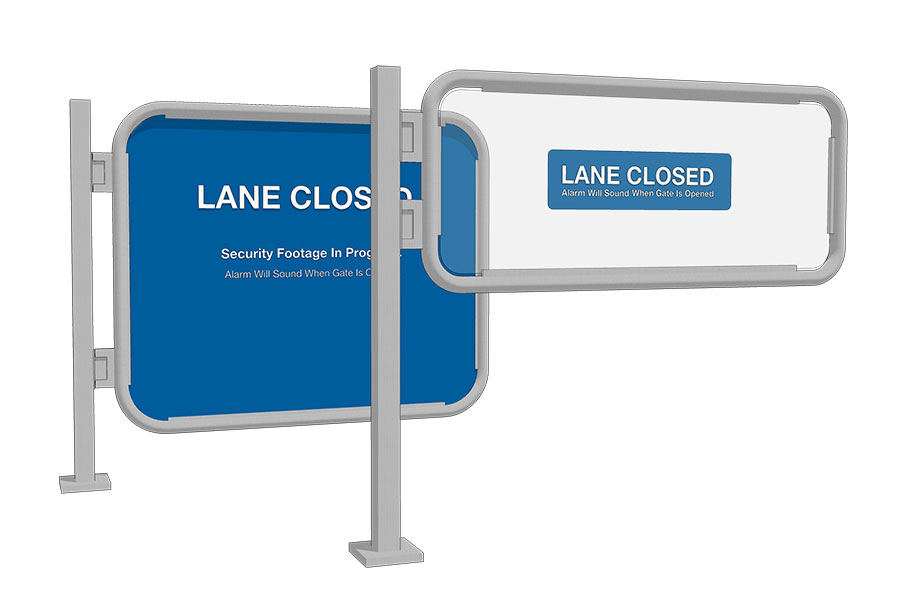
To prevent theft through unmanned registers, retailers are using retractable safety barriers, slatwall fixtures, and portable gondolas to block off unused lanes. For example, one of America’s largest retailers uses Lavi’s full-lane safety barriers that physically close off access and can trigger an alert if opened without authorization — creating a strong multi-sensory deterrent.
Reimagining impulse shopping zones
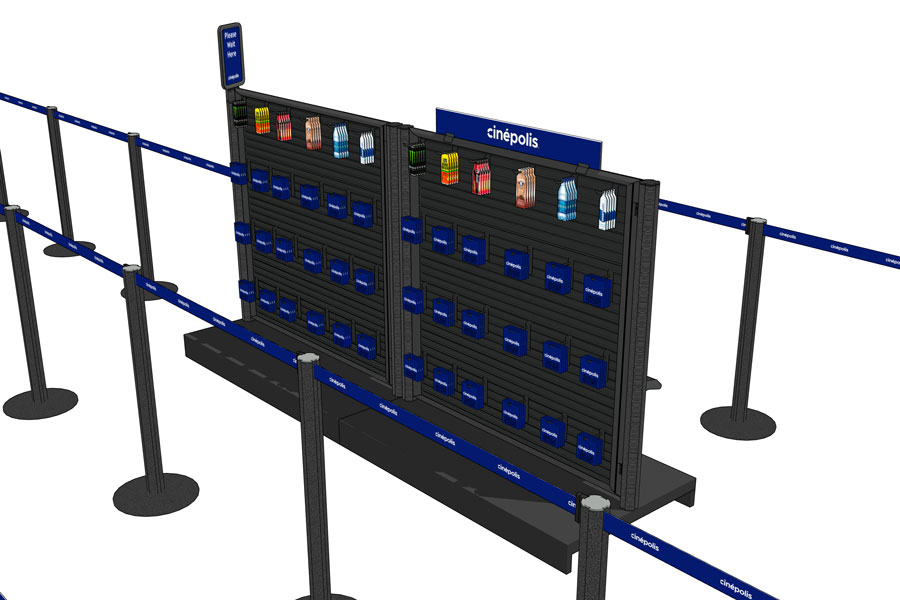
Rather than stocking high-value items openly in the queue, some retailers are using a two-sided display strategy. One movie theater chain, for example, places physical merchandise on the cashier-facing side of a Lavi gondola, while the customer-facing side features drink and gift cards for redemption at checkout. This setup boosts customer engagement and sales, speeds up checkout, and curbs theft — all at once.
Restricting entrance points in high-loss environments
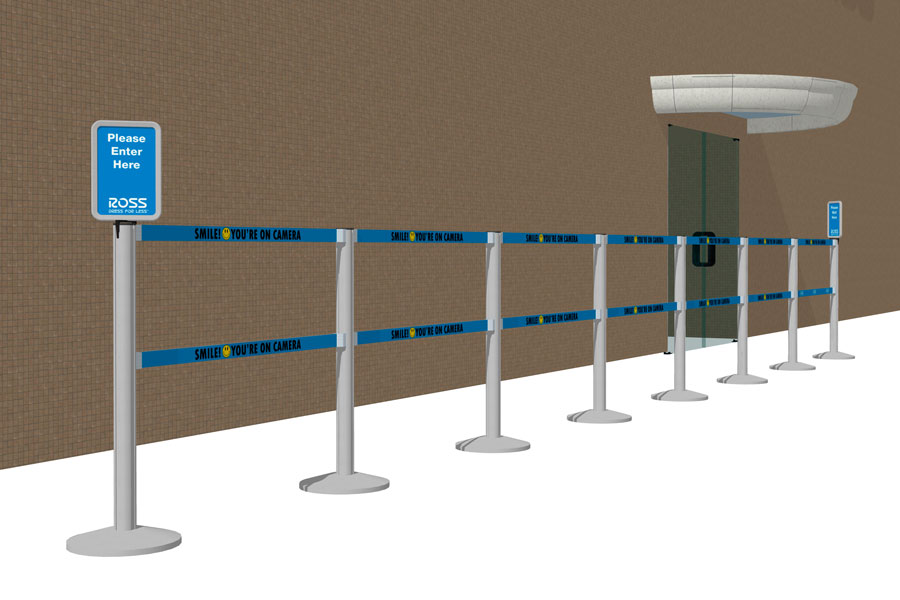
In stores that have notoriously high rates of theft, one discount clothing retailer limits access into the building with Lavi’s retractable belt stanchions. By funneling traffic through a single monitored entry point, management is able to limit capacity and maintain stronger oversight of the sales floor. While not a standard solution for all environments, it demonstrates how layout control can support loss prevention when paired with appropriate staffing and policy.
Relocating self-service kiosks
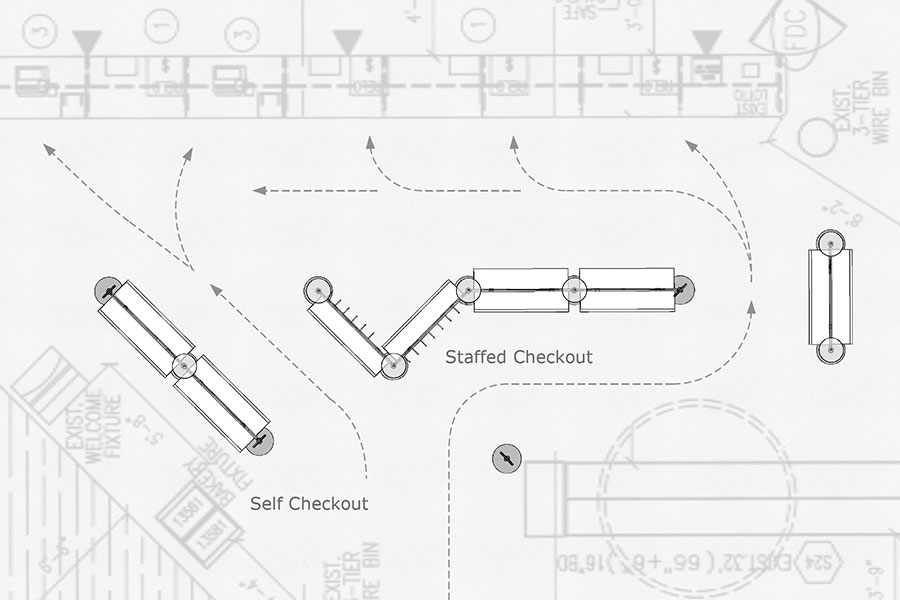
Placing self-checkout near store entrances makes it easier for shoplifters to quickly dash out of a store. To combat this problem, retailers are repositioning kiosks deeper into the store. This new layout serves as a greater deterrent and gives employees more time to observe customer behavior — and alert security, when needed.
Permanent vs. portable: finding the right solution
Temporary or flexible fixtures are ideal for seasonal shifts or moment-to-moment layout changes. When retailers need a solution that will stay in place uninterrupted over the longer term, permanent, integrated systems are a cost-effective, while also attractive, way to discourage theft.
A smarter way to protect the front end
Unfortunately, retail theft is very real and directly damages a retailer’s bottom line. While it’s caused by just a few bad actors, the solution isn’t to make deterrents unsightly or cumbersome for all. It’s to think more creatively about store layouts, provide better visibility, and strategically use purpose-built barrier systems.
At Lavi, we have decades of experience helping retailers take control of the front end with strategies that combine thoughtful design, physical deterrence, and customer experience. Whether it’s solving theft challenges for a single high-risk location or creating standardized deterrence solutions for every store in a national chain, we make it easy to upgrade and scale.
The result? Environments that are safer for staff, more efficient for shoppers, and far more difficult for would-be thieves to exploit.
Want to discuss how queue design can support your loss prevention strategy?
SUBSCRIBE
Subscribe to stay up-to-date with new products, resources information and news.
RECENT RESOURCES
Checkout: An Often Overlooked Opportunity
ViewTempest w/ Rubber Base Assembly
ViewHeavy Base Delineator Assembly
ViewHeavy Base Delineator
View