












You want to optimize customer flow and capitalize on ROI-boosting opportunities. We’re the partner that helps you achieve both.
For 45 years, Lavi has provided comprehensive, agile ways to move and track people in, through, and out of your store or facility. As seasoned problem solvers, we understand your most critical issues and tailor solutions that fit your space and customers. Elegant railing products help establish the atmosphere you want. Queue management tools create operational efficiencies and enrich customer experience. Store fixtures and crowd control solutions make the customer journey seamless, and leverage attention to increase your bottom line. With a holistic approach, we design and implement all-in-one public guidance solutions.
Crowd Control &
Stanchions
Signage
Systems
Store Fixtures and
Merchandising
Queue Management
Technology
Safety and Security
Premium
Railing Systems
Industry Solutions
 Retail
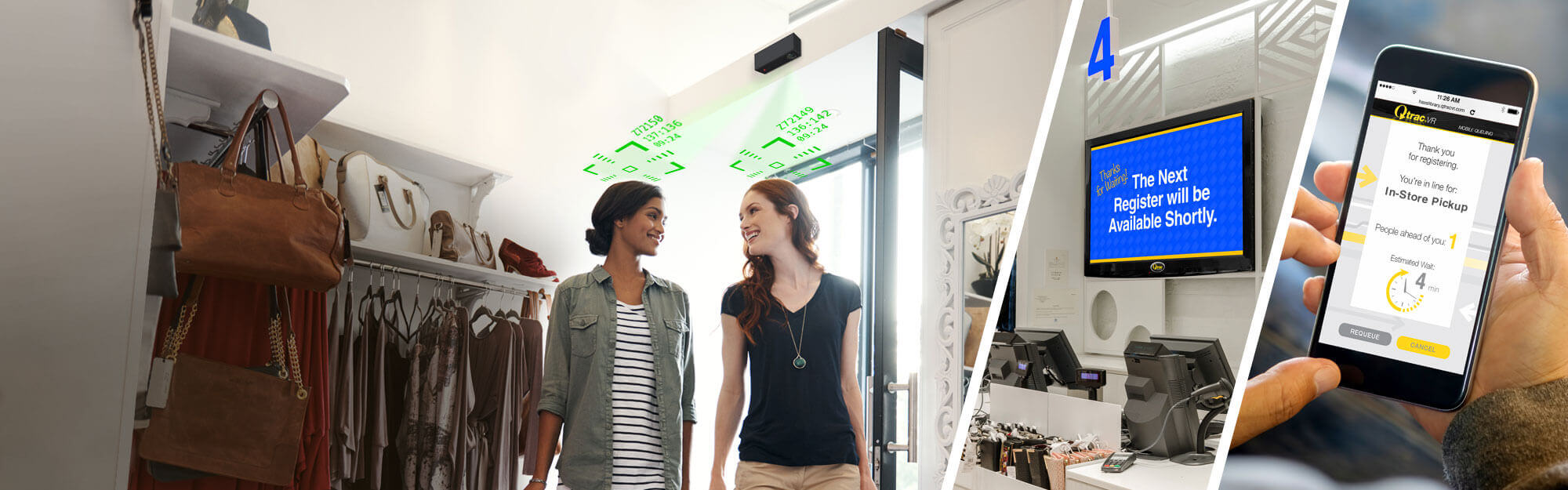
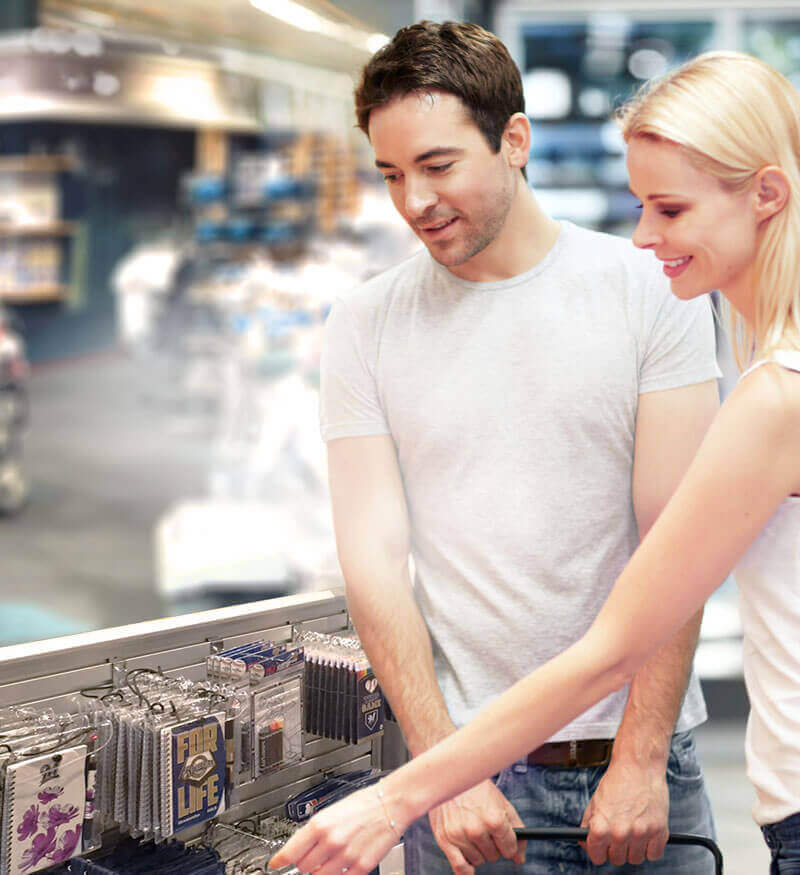
Create a seamless customer experience to develop brand loyalty and increase revenue. Lavi’s retail solutions help reduce wait-times, boost staff productivity, and leverage merchandising opportunities.
Explore Retail Solutions Transportation
Monitor operations and crowds to project future staffing needs and maximize productivity. Our transportation solutions optimize traffic flow and create operational efficiencies—eliminating the guesswork from team assignments.
Explore Transportation Solutions Healthcare
Accurate service analytics help you continually evolve the patient experience. We use technology solutions, such as healthcare provider matching and virtual queuing, to simplify the process of receiving care—increasing efficiency and satisfaction.
Explore Healthcare Solutions Public Sector
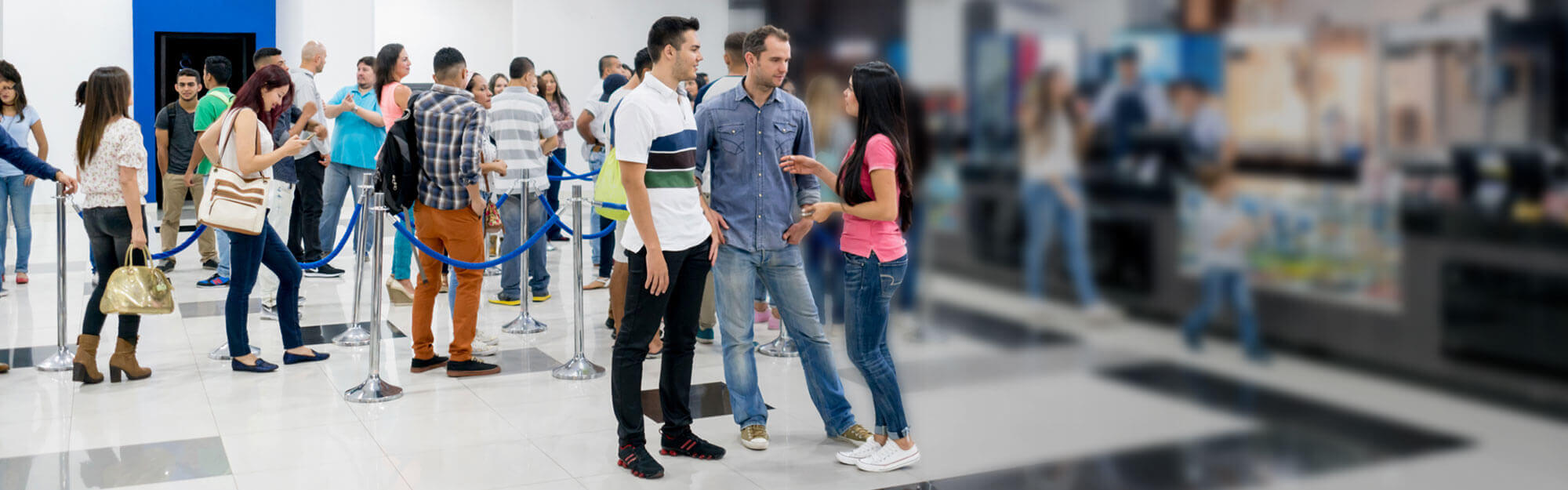
Transform the customer experience and make visiting your agency simple and stress-free. Lavi empowers you to serve more people in less time by managing queues effectively—raising your public profile and boosting staff morale.
Explore Public Sector Solutions Financial
Upgrade the customer journey while elevating your bank, with linear and virtual queuing technology. By learning each customer’s needs upon arrival, you keep your staff prepared—so they can provide a personalized experience to increase retention.
Explore Financial Solutions Hospitality
Don’t tell guests you care. Show them, by going above and beyond. Lavi’s advanced analytics tools provide insight on guests, so you can create a tailored, VIP experience for everyone.
Explore Hospitality Solutions Entertainment
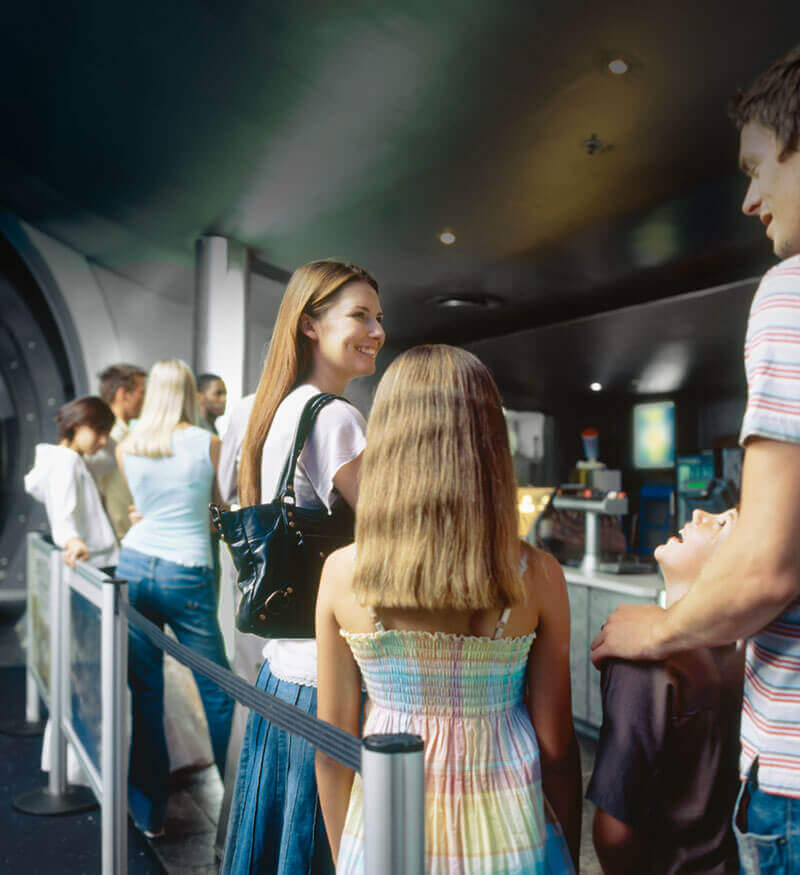
Deliver a fuller, more enjoyable experience. Combining traditional queuing solutions with cutting-edge technology, Lavi helps move people through your space to limit crowds—and actively engages customers to capitalize on in-queue merchandising opportunities.
Explore Entertainment Solutions Education
Reduce crowds by integrating mobile and virtual queuing solutions. Lavi’s technology creates efficiency and simplicity for students, parents, and staff—to keep physical traffic flow low and school spirit high.
Explore Education Solutions Design / Architecture
Align atmosphere with reputation. Lavi’s elegant, high-tolerance railing systems give architects, contractors, and fabricators the quality and precision needed to meet specifications and delight clients.
Explore Design & Construction SolutionsKeep up with the latest trends in Crowd Control & Queue Management
-
Checkout: An Often Overlooked Opportunity
The most important square foot in your convenience store isn’t the beverage cooler, the prepared food case, or the aisles customer shop. Perry Kuklin, Lavi's Director of Marketing, explains how checkout is where the entire visit felt fast or frustrating, fulfilling or forgettable. Read more in our latest blog.
READ MORE» -
Theft at the Register: How Strategic Queue Design Protects Profits
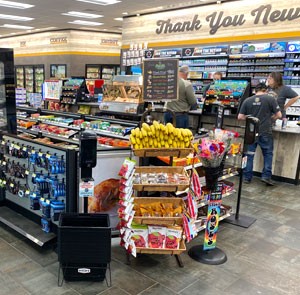
As a partner to some of the nation’s largest retailers and convenience store chains, Lavi is designing novel barrier solutions, consulting on queue design, and creating modular retail fixture strategies that enhance the shopping experience while also deterring theft. Read more.
READ MORE» -

Rapid Deployment Crowd Control: JetTrac Portable Barriers For The Biggest Spaces
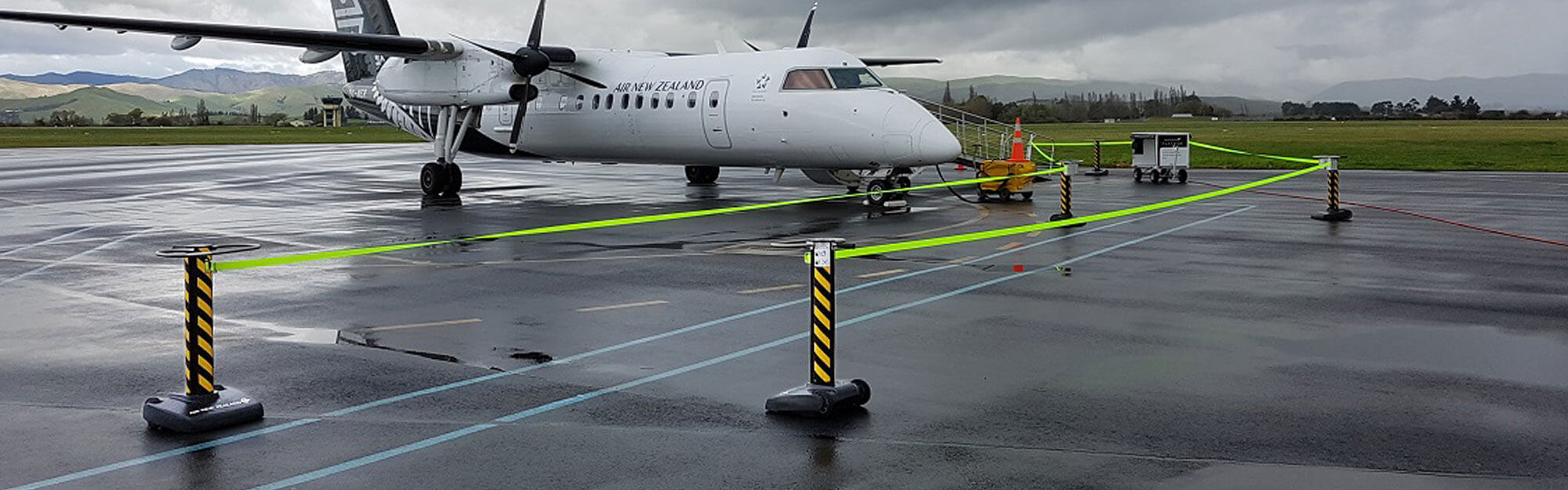
JetTrac, the industry's longest retractable belt safety barrier, is a portable rapid-deployment crowd control solution for large-scale environments like airports, stadiums, and cruise ships. With features like dual retractable belts and easy one-person setup, crowd control is fast, flexible, and secure.
READ MORE»
Explore and Learn
Discover new queuing techniques, explore ways to enhance the customer experience, or learn about new technologies to help optimize customer flow and manage your queues. Our extensive library of resources will help you uncover new ways to transform your business.
5 Crucial Questions to Evaluate the Health of Your Queue Management System
How can you be sure the queue management system you’ve chosen is the optimal solution for your unique business? Read on to find out.
View
Turning Your Queue into a Profit Center
Transform idle floor space into profit-generating, customer-satisfying space. Keep customers engaged, reduce perceived wait times, and increase satisfaction and loyalty, all while boosting profits. Let this be your guide.
View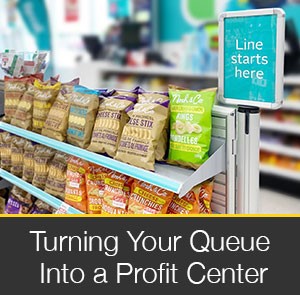
Case Study: The Airport of the Future
Managing the flow of a large volume of passengers is challenge enough. Add to this ever-increasing competition among airports for passengers and a leadership team that strives to build “the airport of the future” and the result is the DFW challenge.
View
8 Ways to Design a Queue so Your Customers Don’t Walk Out
An unsightly queue can turn even the most faithful of customers on their heels to head for the exit. In a study by Visa Contactless, 89% of people reported leaving a shop or business because of an excessive queue.
View
Make It A Single Line Queue [Video]
Your goal is to design a queue that will cut wait times and increase customer satisfaction. Often the choice is between a single line queue and a multiple line queue. Which is more efficient? This video breaks it down for you.
View![Make It A Single Line Queue [Video]](/upload/BlogArticle/635991026946636000.jpg?w=300&h=295&mode=crop)
The Queuing Technology Solutions Buyers Guide
This 25-page buyer’s guide will give you the inside scoop on some of today’s most powerful and useful queue management technology. And it will help you select the right technology for your specific business needs.
View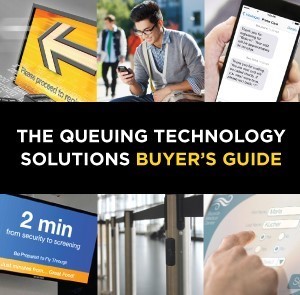

Need more information?
Call us at 1.888.285.8605 Monday - Friday 7 am to 5 pm, Pacific Time, or complete the form on the following page to contact us.
CONTACT US